Turning Business Ambitions into Reality: How Maroc Pages and Business Growth Hub Help Entrepreneurs Succeed in Morocco
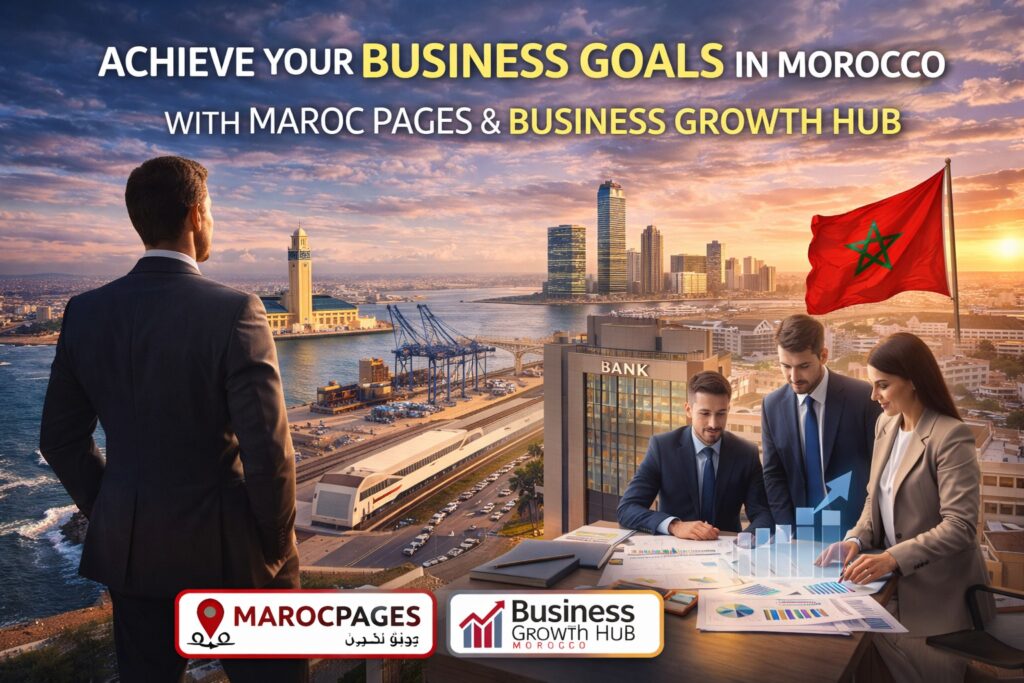
Morocco has become one of the most exciting business destinations in Africa and the Mediterranean region. Entrepreneurs, investors, startups, and established companies are increasingly looking toward the Kingdom as a place to launch ventures, expand operations, and build long-term commercial success. With strong infrastructure, government-backed investment initiatives, and a growing private sector, Morocco offers an environment where ambition can turn into tangible business achievement. However, starting and growing a business is rarely straightforward. Entrepreneurs must navigate regulatory systems, build relationships with financial institutions, access funding, and understand local market dynamics. This is where Maroc Pages, together with its parent organisation Business Growth Hub, plays a powerful role in supporting businesses across Morocco. Maroc Pages is more than a directory. It is designed to be a gateway into Morocco’s business ecosystem, connecting entrepreneurs, companies, investors, institutions, and opportunities in one unified platform. Through its connection with Business Growth Hub, Maroc Pages becomes a bridge between business ambition and the resources needed to make those ambitions possible. Maroc Pages was created to serve as a comprehensive digital platform that connects businesses with customers, partners, and growth opportunities across Morocco. While many directories simply list companies, Maroc Pages goes far beyond that traditional role. The platform acts as a central business ecosystem, helping organisations increase visibility, build credibility, generate leads, and access strategic partnerships. For entrepreneurs entering the Moroccan market, this visibility is critical. Being listed on a recognised national platform helps establish trust with customers, suppliers, and potential investors. But Maroc Pages does not stop at visibility. Through its relationship with Business Growth Hub, it offers pathways for businesses to access expert guidance, financial networks, institutional relationships, and strategic growth opportunities. At the heart of this support system is Business Growth Hub, the strategic parent organisation behind Maroc Pages. Business Growth Hub exists to help entrepreneurs and companies turn ideas into sustainable enterprises. The organisation focuses on connecting businesses with the tools, knowledge, and networks required to accelerate growth. Whether a company is a startup seeking its first investment or an established enterprise looking to scale, Business Growth Hub provides guidance that helps businesses navigate the journey successfully. One of the most powerful aspects of Business Growth Hub is its ability to connect entrepreneurs with key decision-makers, financial institutions, and government-backed initiatives that support economic development in Morocco. This connection transforms Maroc Pages from a simple directory into a launchpad for business expansion and opportunity. Access to finance is one of the most critical factors for any business. Without capital, even the most promising ideas struggle to become reality. Through its relationships with Morocco’s financial sector, Business Growth Hub helps businesses explore funding opportunities and build relationships with major banks and financial institutions. Morocco’s banking sector is one of the most developed in Africa, with institutions such as Attijariwafa Bank, Banque Populaire, Bank of Africa, and BMCI playing key roles in supporting economic growth. These banks offer a wide range of financial products designed specifically for businesses, including startup financing, working capital facilities, investment loans, and export financing. Business Growth Hub works to introduce entrepreneurs to the right financial partners, helping them understand which funding solutions best suit their business model and stage of growth. For startups, this may involve guidance on preparing funding proposals or connecting with innovation-focused financial programmes. For expanding businesses, it may involve introductions to commercial banking teams that specialise in supporting growth sectors such as manufacturing, technology, tourism, and logistics. By facilitating these relationships, Maroc Pages and Business Growth Hub help entrepreneurs overcome one of the most common barriers to business success: access to capital. Morocco’s government has implemented numerous initiatives to support entrepreneurship, innovation, and foreign investment. However, understanding how to access these programmes can sometimes be challenging for businesses that are unfamiliar with the system. Business Growth Hub helps bridge this gap by connecting entrepreneurs with government agencies and development organisations that provide support for business creation and expansion. Institutions such as the Moroccan Investment and Export Development Agency (AMDIE), Regional Investment Centres, and various sector-specific development programmes provide incentives, guidance, and assistance to companies operating in Morocco. These initiatives may include: • Investment incentives for strategic projects • Support for exporting companies • Assistance with company registration and licensing • Industrial zone development programmes • Innovation and startup funding initiatives Through its network and experience, Business Growth Hub helps businesses understand how to navigate these opportunities and access the support available to them. This guidance is particularly valuable for international entrepreneurs entering the Moroccan market, as it simplifies the process of establishing operations and integrating into the country’s economic ecosystem. Beyond finance and government support, successful businesses rely heavily on partnerships. Suppliers, distributors, investors, advisors, and collaborators all contribute to the success of an enterprise. Maroc Pages provides an environment where these connections can begin. Businesses listed on the platform gain exposure to a national network of companies operating across a wide range of industries. Through Business Growth Hub, entrepreneurs can also access strategic introductions to industry partners, consultants, and professional service providers who can support their growth. For example, companies may be connected with: • Legal advisors specialising in Moroccan business law • Financial consultants and accountants • Marketing and digital strategy experts • Export and logistics specialists • Technology and innovation partners These relationships create a strong foundation for businesses looking to expand their operations or enter new markets. In today’s digital economy, visibility is essential. Businesses that cannot be easily discovered online risk missing valuable opportunities for growth. Maroc Pages helps companies establish a strong digital presence by providing comprehensive business listings, detailed profiles, and enhanced visibility across Morocco’s digital landscape. This visibility benefits businesses in multiple ways: • Customers can easily discover services and products • Companies gain credibility through verified listings • Businesses receive enquiries and leads from potential clients • Organisations build stronger brand recognition For startups and small businesses, this exposure can significantly accelerate growth by helping them reach customers they might otherwise never connect with. Every business journey is unique. Some entrepreneurs are launching
Why Morocco is Becoming a Gateway for African Business Expansion
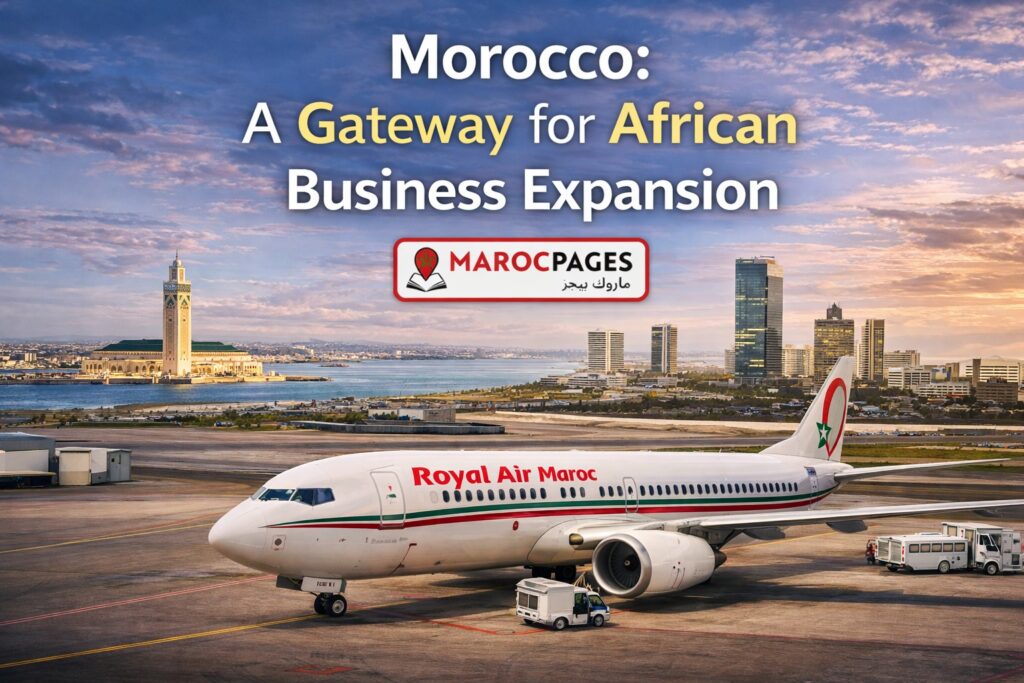
Morocco is increasingly recognised as a strategic gateway for companies seeking to expand across Africa. Over the past decade, the country has strengthened its economic ties with numerous African nations, positioning itself as a bridge between Europe, the Middle East, and the African continent. Moroccan banks, telecommunications companies, and construction firms have expanded into multiple African markets, bringing experience and investment into emerging economies. This expansion has created strong regional business networks that benefit companies operating in Morocco. Casablanca Finance City plays a key role in this strategy. Designed as a regional financial hub, it provides international companies with a base from which they can manage operations across Africa. The Moroccan government has also signed numerous trade and cooperation agreements with African nations, encouraging investment and facilitating cross-border commerce. Air connectivity further strengthens Morocco’s position. Royal Air Maroc operates an extensive network linking Casablanca with dozens of African cities, allowing business travellers and cargo to move efficiently between markets. Infrastructure projects led by Moroccan companies across Africa, including energy, construction, and telecommunications initiatives, are expanding regional economic integration. For international businesses, establishing a presence in Morocco provides access not only to the local market but also to a rapidly growing network of African opportunities.
The Best Cities in Morocco to Start a Business
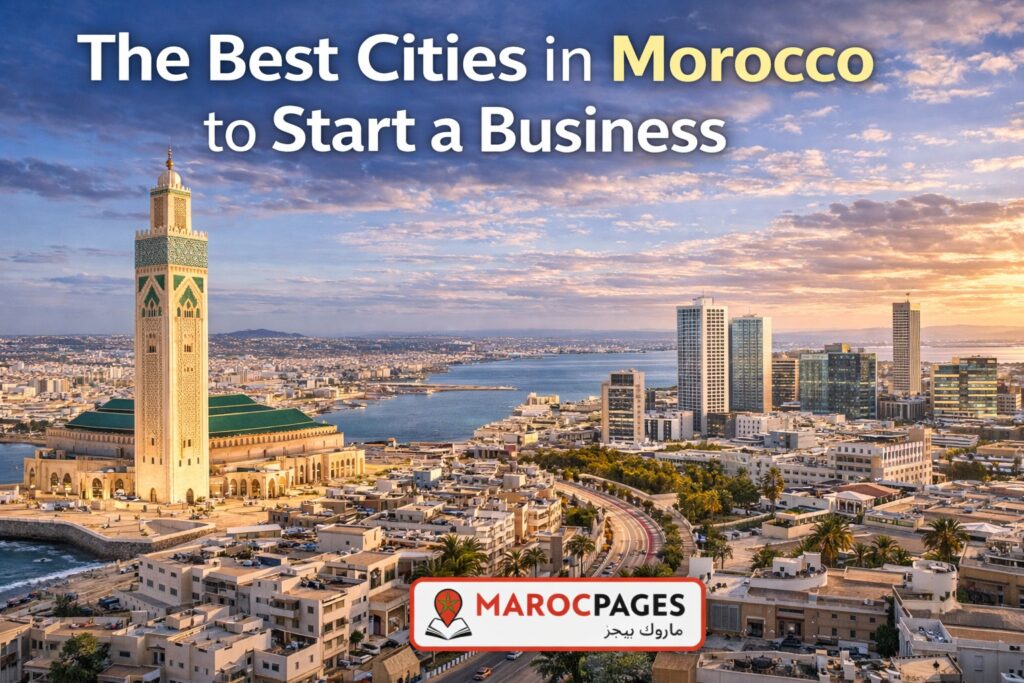
Choosing the right location is one of the most important decisions when starting a business. Morocco offers several cities with strong economic potential, each with unique advantages depending on the type of business. Casablanca is widely regarded as Morocco’s economic capital. Home to the country’s largest port and financial centre, it hosts thousands of national and international companies. Businesses in finance, technology, consulting, logistics, and corporate services thrive in Casablanca’s dynamic commercial environment. Tangier has emerged as one of Morocco’s fastest-growing business hubs. Its proximity to Europe and the presence of the Tangier Med Port make it particularly attractive for logistics, manufacturing, and export-focused companies. Rabat, the political capital, offers opportunities in government services, consulting, education, and international organisations. The city’s stable environment and strong public sector presence attract businesses that work closely with government institutions. Marrakech remains a powerhouse for tourism, hospitality, events, and real estate development. Entrepreneurs launching restaurants, hotels, travel agencies, or creative businesses often find Marrakech an ideal location. Agadir is known for its thriving tourism industry and growing agricultural sector. Businesses involved in food production, fishing, and hospitality benefit from the region’s natural resources and strong visitor numbers. Fez offers opportunities in traditional industries, craftsmanship, education, and cultural tourism. The city’s historical significance continues to attract visitors from around the world. Each city provides unique advantages depending on industry focus, market access, and operational needs.
How to Start a Business in Morocco: A Step-by-Step Guide
Starting a business in Morocco has become significantly easier in recent years thanks to government reforms aimed at simplifying administrative procedures and encouraging entrepreneurship. The first step for entrepreneurs is choosing the appropriate legal structure for their company. The most common forms include the Limited Liability Company (SARL) and the Public Limited Company (SA). Smaller businesses and startups often choose the SARL structure due to its flexibility and relatively simple setup requirements. Once the legal structure is selected, the business name must be registered through the Moroccan Commercial Registry. This ensures that the company name is unique and legally protected. Next, entrepreneurs must prepare the company’s articles of incorporation and deposit the required capital into a bank account. In many cases, the minimum capital requirements are relatively modest, making Morocco accessible to small business founders. Registration can be completed through Regional Investment Centres, which serve as one-stop administrative hubs. These centres assist with company registration, tax identification numbers, and social security registration for employees. Opening a corporate bank account is another important step. Morocco’s banking sector is modern and well-regulated, with numerous institutions offering business banking services and financial support for entrepreneurs. After registration, businesses must obtain any required sector-specific licences or permits. For example, restaurants, tourism companies, or industrial operations may require additional authorisation depending on the nature of their activities. Once operational, companies must maintain compliance with Moroccan tax regulations and accounting standards. Many entrepreneurs choose to work with local accountants or legal advisors to ensure smooth administration. With these steps completed, businesses can begin operations and start building their presence in Morocco’s growing economy.
Infrastructure That Supports Business Growth in Morocco
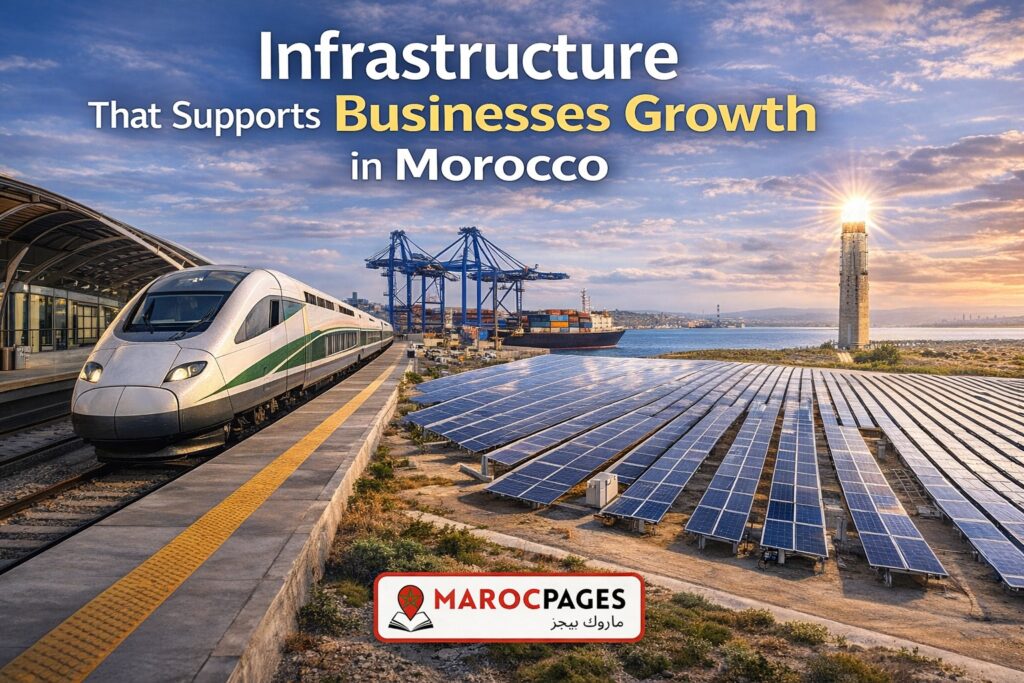
Behind Morocco’s economic progress lies a massive transformation in infrastructure. Over the past twenty years, the country has invested billions in modernising transportation, logistics, energy, and digital networks to support economic development and business growth. One of Morocco’s most impressive achievements is the Tangier Med Port complex, now among the largest and most efficient ports in the world. Handling millions of containers annually, it has become a crucial gateway for trade between Europe, Africa, and the Americas. The port is integrated with an extensive network of highways and railway lines that connect industrial zones across the country. Businesses operating in cities such as Tangier, Casablanca, Kenitra, and Fez can transport goods quickly to international markets. Morocco also introduced Africa’s first high-speed train line, linking Tangier and Casablanca in record time. This rail network continues to expand, improving connectivity between major economic centres. Road infrastructure has also improved significantly. Modern highways connect major cities and industrial regions, allowing businesses to move products and services efficiently across the country. Energy infrastructure is another major strength. Morocco has become a global leader in renewable energy, with massive solar installations such as the Noor Solar Complex in Ouarzazate, one of the largest solar power plants in the world. Wind energy projects along the Atlantic coast further contribute to sustainable power generation. Reliable energy supply is essential for manufacturing and industrial growth, and Morocco’s commitment to renewable energy positions the country as a future hub for green industrial development. Digital infrastructure has also advanced rapidly. Expanding fibre-optic networks and improved mobile connectivity support the growth of digital businesses, technology startups, and online commerce. Urban development projects across major cities are modernising business districts and creating attractive environments for companies. New office complexes, commercial centres, and mixed-use developments continue to reshape Morocco’s economic landscape. This combination of modern infrastructure and strategic planning provides businesses with a solid foundation for growth and expansion.
Government Incentives for Businesses in Morocco
Morocco has developed one of the most business-friendly investment environments in North Africa. Through a wide range of government programmes and incentives, the country actively encourages both local entrepreneurs and international investors to establish and expand their businesses. At the heart of Morocco’s investment strategy is the New Investment Charter, designed to simplify procedures and offer financial incentives to businesses that contribute to economic growth and job creation. One of the most attractive benefits available to investors is financial support for strategic projects. Businesses operating in priority sectors such as manufacturing, renewable energy, technology, logistics, tourism, and agribusiness may qualify for investment grants covering a percentage of project costs. The government also provides tax incentives designed to stimulate business activity. Companies operating in certain export sectors can benefit from reduced corporate tax rates for their first years of operation. Free zones, particularly in cities such as Tangier and Kenitra, offer highly competitive tax advantages to businesses focused on international markets. Another key initiative supporting business growth is the development of industrial parks and specialised economic zones. These zones provide ready-to-use infrastructure, including utilities, transportation access, and administrative services, designed to simplify business operations. Entrepreneurs and startups are also encouraged through several innovation and funding programmes. Morocco’s growing technology sector benefits from incubators, startup accelerators, and venture capital initiatives aimed at nurturing the country’s emerging digital economy. The government has also invested significantly in improving administrative efficiency. Business registration processes have been simplified through online portals and regional investment centres, allowing companies to complete many procedures within days rather than months. In addition to financial support, Morocco offers companies access to a growing network of international trade agreements. Businesses established in Morocco can export products to numerous global markets with reduced or zero tariffs. The country’s focus on renewable energy has created particularly strong opportunities for investors in solar, wind, and green hydrogen industries. Morocco aims to become a regional leader in sustainable energy production, attracting companies involved in green technologies and energy infrastructure. For foreign investors, Morocco’s stable legal system and commitment to international investment protection agreements provide additional confidence. Property ownership rights, intellectual property protections, and transparent legal frameworks ensure businesses can operate with security. These initiatives demonstrate Morocco’s commitment to building a modern and competitive economy that welcomes innovation, entrepreneurship, and global partnerships.
Morocco’s Growing Economy: Why Businesses Are Turning to the Kingdom
Over the past two decades, Morocco has quietly transformed itself into one of the most attractive business destinations in Africa. Strategic reforms, strong infrastructure development, and a stable political environment have made the Kingdom an increasingly popular location for entrepreneurs, multinational companies, and investors. Morocco’s economic strategy is built around long-term national development plans that focus on industrialisation, exports, and international trade partnerships. Through initiatives such as Plan Maroc Vert, Industrial Acceleration Plan, and the New Development Model, the government has actively encouraged private sector investment across numerous sectors. One of Morocco’s greatest strengths is its strategic geographic position. Located at the crossroads of Europe, Africa, and the Middle East, the country provides businesses with access to a market of over one billion consumers through free trade agreements with the European Union, the United States, and many African nations. Infrastructure has played a key role in Morocco’s economic rise. The Tangier Med Port, now one of the largest ports in the Mediterranean, has become a major logistics hub connecting global shipping routes. High-speed rail networks, modern highways, and expanding airports ensure goods and services can move efficiently across the country. The government has also invested heavily in developing industrial zones and economic clusters. Automotive manufacturing, aerospace engineering, renewable energy, agribusiness, and technology are now thriving sectors. Major global companies such as Renault, Stellantis, Boeing suppliers, and numerous technology firms have established operations in Morocco, creating thousands of jobs and strengthening supply chains. Another major advantage for businesses is Morocco’s young and skilled workforce. Universities and specialised technical institutes produce graduates trained in engineering, IT, finance, logistics, and management. Multilingual capabilities in Arabic, French, Spanish, and increasingly English make Morocco particularly attractive for international companies. The financial sector has also matured significantly. Casablanca Finance City has emerged as a regional financial hub attracting banks, insurance companies, and investment funds looking to expand into Africa. Beyond large corporations, Morocco offers significant opportunities for small and medium enterprises. Tourism, digital services, e-commerce, construction, hospitality, and professional services are expanding rapidly as the country modernises. Government agencies such as the Moroccan Investment and Export Development Agency (AMDIE) provide support for investors, including assistance with permits, partnerships, and market entry. Perhaps most importantly, Morocco has built a reputation for political stability and economic resilience, even during periods of global uncertainty. The government continues to prioritise innovation, sustainability, and international cooperation as part of its long-term economic vision. For entrepreneurs and companies looking to expand into Africa or the Mediterranean region, Morocco offers a compelling combination of opportunity, stability, and growth potential.
How to Sell Your Business in Morocco
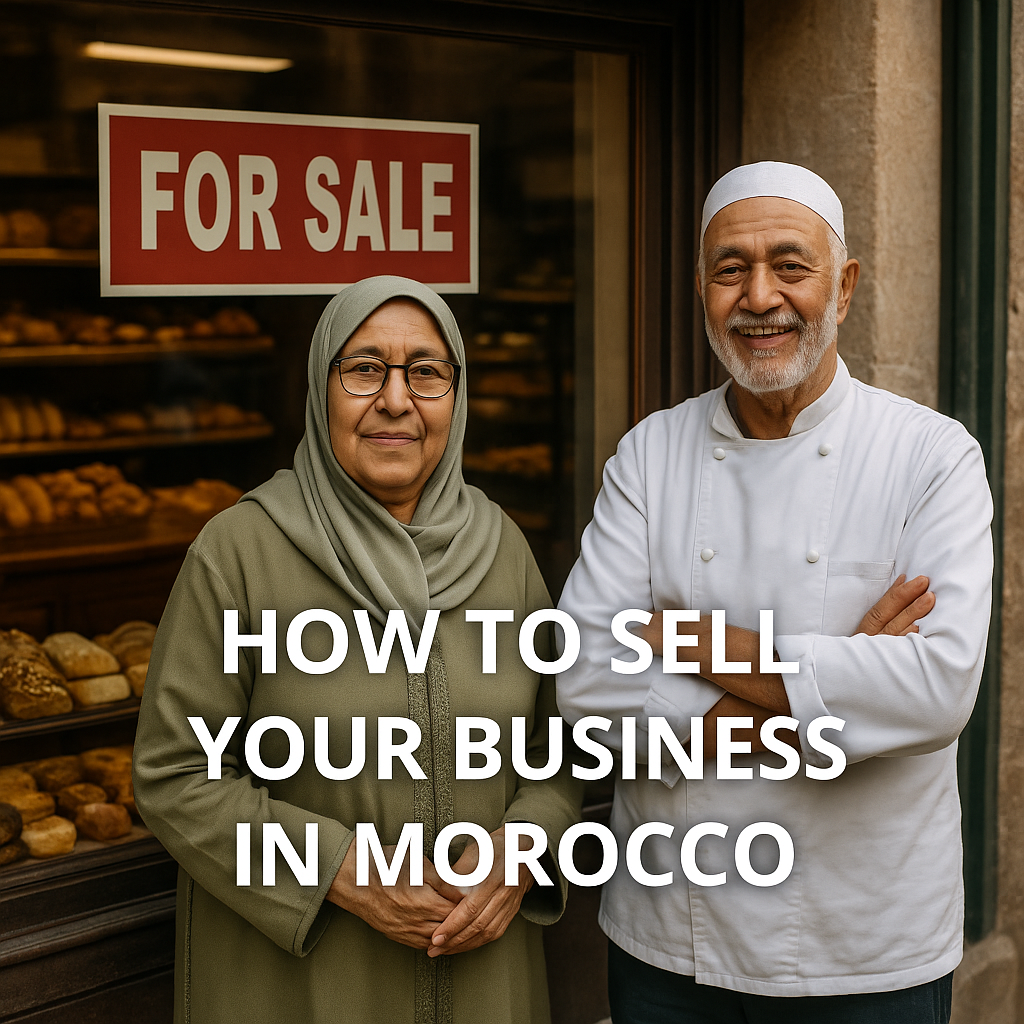
Selling a business in Morocco requires planning, strategy, and visibility. Whether you are retiring, changing sectors, or looking for investment, this guide explains how to sell your Moroccan business successfully. 1. Prepare Your Business for Sale Before listing your business: 2. Determine Your Valuation A professional valuation considers: 3. Find the Right Buyers You can reach buyers through: 4. Advertise Your Sale Professionally A high-quality listing helps attract serious buyers. Include: 5. Negotiate and Close the Deal Use legal advisors to manage: Selling your business becomes much easier when it has a strong online presence. Maroc Pages helps boost visibility, reputation, and attractiveness to buyers.
How to Recruit Staff in Morocco

Recruiting the right employees in Morocco can make all the difference to your company’s long-term success. Morocco has a young, skilled workforce with growing experience in technology, customer service, logistics, engineering, hospitality, and design. This guide explains how to recruit effectively and legally. 1. Define the Profile Start with a clear job description including: 2. Where to Find Candidates Morocco offers various recruitment channels: 3. Conduct Interviews Professionally Use structured questions and skills testing to ensure the candidate fits. 4. Legal Requirements When hiring: 5. Build Employer Brand Companies that show professionalism attract better talent. Use Maroc Pages to highlight your business reputation and culture. Recruiting in Morocco is more efficient when your business is easy to find and trusted—Maroc Pages helps you achieve both.
How to Advertise Your Business on Maroc Pages

Advertising in Morocco is evolving rapidly, and more customers than ever are searching online before buying. Maroc Pages has become one of the most effective tools for Moroccan businesses to increase visibility, attract customers, and grow sales. Whether you are a freelancer, a startup, or an established company, advertising on Maroc Pages gives you direct access to people actively looking for the services you offer. 1. Why Advertise on Maroc Pages? Traditional media is expensive. Maroc Pages offers affordable, targeted exposure. Benefits include: 2. Create Your Listing To start advertising: Your listing becomes your digital storefront. 3. Use the Listing to Tell Your Story Enhance your profile with: 4. Take Advantage of Premium Placement Maroc Pages offers premium boosts such as: 5. Monitor Customer Interactions Track views, calls, and customer messages to understand how well your listing is performing. Advertising on Maroc Pages is simple, powerful, and one of the best investments a Moroccan business can make.